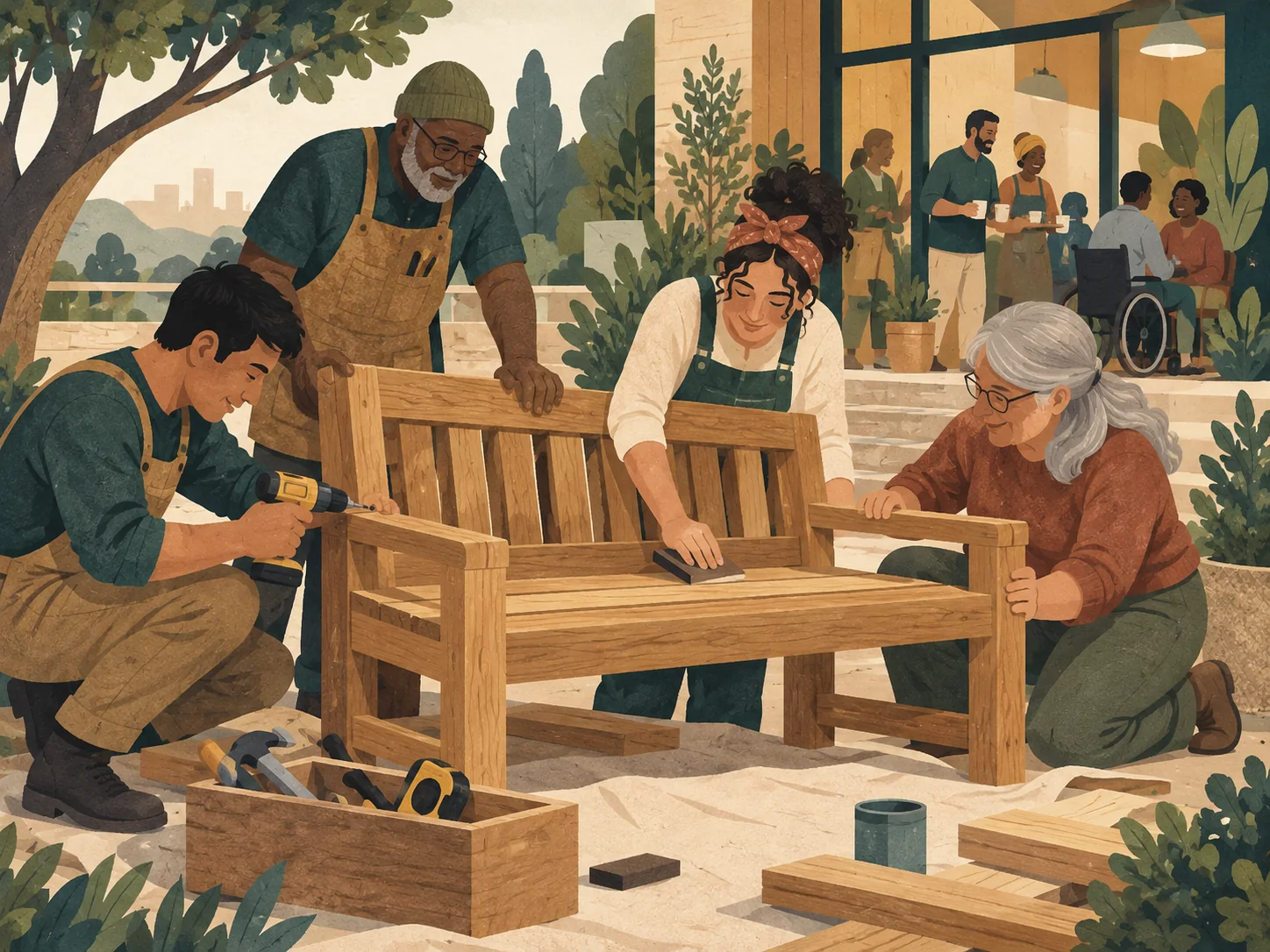
What this gift means
You meet practical needs reliably, often freeing other people to contribute from their own strengths.
At its healthiest
Notice what needs doing—and quietly make it easier. Use this practical guide to explore the pattern through real service, trusted feedback, and growth over time.
Patterns you may recognize
- Others consistently notice that this person sees overlooked practical needs.
- Others consistently notice that this person follows through on low-visibility work.
- Others consistently notice that this person builds trust through dependable action.
What it can contribute
- Sees overlooked practical needs
- Follows through on low-visibility work
- Builds trust through dependable action
What needs attention
- Helpful people can be taken for granted
- Saying yes to everything invites burnout
- Service should not erase your voice
How it differs from a nearby gift
Craftsmanship makes or repairs something with focused skill. Service responds to a wider range of immediate practical needs.
Choose one useful task with a clear finish line. Ask what “done well” means, complete it, and resist quietly adopting five more jobs.
Ways to put it to work
- Own a practical task with a clear finish line
- Remove a recurring burden from a team
Where it may fit
- Practical care teams
- Event and facilities support
Questions for reflection
- Where has service / helps produced durable good for someone else?
- What feedback has remained consistent across different settings?
- Which watch-out needs the clearest boundary right now?
Christian traditions define and group service / helps differently. Treat this guide as a practical working description and test it in Scripture, community, and service.
Confirm it beyond a score
Ask people who have seen you serve what patterns they notice. Pay attention to fruit over time, not just what feels impressive today. Keep the result accountable to Scripture, love, wise counsel, and the good of the community.